“POPE LEO XIV’S SHOCKING WARNING STUNS THE WORLD

The dramatic remarks attributed to Pope Leo XIV immediately triggered intense debate online, with supporters praising his courage while critics accused him of fueling political hysteria.
Yet regardless of political opinion, few could deny the emotional power of the moment.
The delivery was calm, measured, and terrifyingly direct.
Rather than sounding like a politician seeking attention, he spoke with the tone of someone convinced that democracy itself was approaching a dangerous crossroads.
Witnesses inside the hall described the atmosphere as painfully tense.
Several journalists reportedly exchanged nervous glances while cameras continued recording every second of the speech.
The Pope appeared determined to force listeners to confront uncomfortable possibilities that many would rather dismiss as impossible.
His central argument was simple but deeply alarming: democracies do not collapse overnight—they erode slowly while ordinary people convince themselves that “it could never happen here.”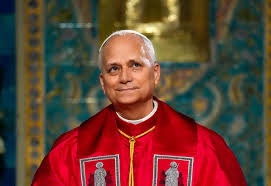
At one point, a member of the organizing team attempted to interrupt, possibly hoping to redirect the discussion before it became even more controversial.
But the Pope calmly raised his hand and continued speaking without hesitation.
That small gesture reportedly silenced the room more effectively than shouting ever could.
It was the kind of moment that instantly becomes unforgettable because everyone present realizes they are witnessing something extraordinary.
The Pope then expanded on his warning, arguing that history repeatedly shows how fear and instability can be exploited by powerful figures.
According to his remarks, periods of confusion create opportunities for leaders willing to stretch laws, weaken institutions, and consolidate authority in the name of “saving the nation.”
He suggested that when citizens become exhausted by crisis after crisis, they may eventually accept extreme measures they would once have rejected without hesitation.
What shocked listeners most, however, was his direct reference to Donald Trump.
The Pope claimed that chaos itself had become politically useful, describing it as a tool capable of reshaping public perception and weakening democratic safeguards.
He warned that if enough fear dominates society, extraordinary powers can begin to appear “necessary” instead of dangerous.
That statement reportedly triggered visible discomfort throughout the audience.
Some observers later argued that the Pope’s words sounded exaggerated or even apocalyptic.
Others believed he was simply expressing fears shared by millions of people around the world who worry about rising political polarization and attacks on democratic systems.
Regardless of interpretation, the speech rapidly exploded across social media platforms, where clips and quotes spread internationally within hours.
Critics accused the Pope of interfering in political matters and amplifying division during an already unstable global climate.
Supporters responded by insisting that moral leaders have a responsibility to speak when they believe democratic principles are under threat.
The controversy quickly evolved into a broader debate about the role of influential public figures in moments of political uncertainty.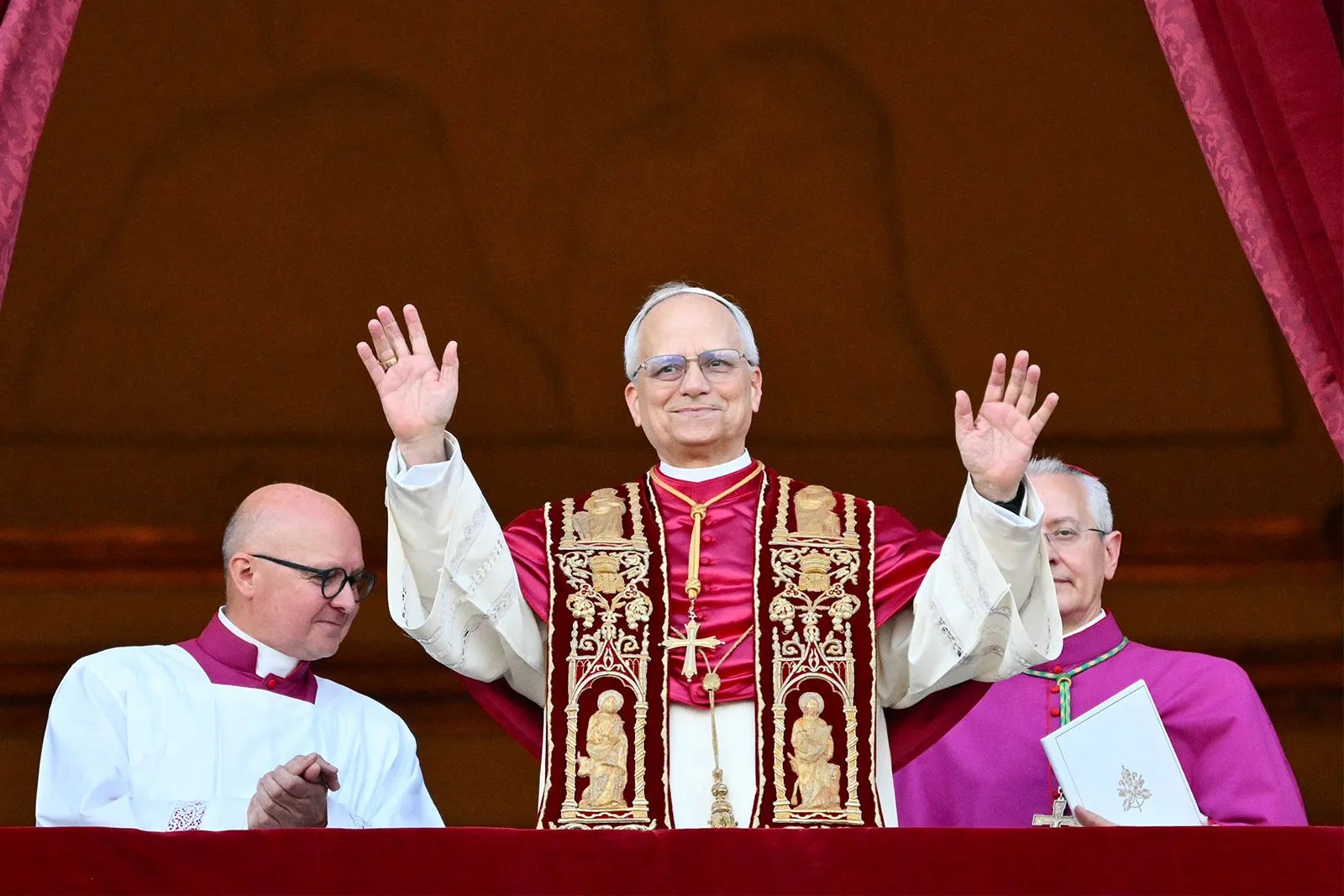
Perhaps the most haunting part of the speech came near the end, when the Pope warned that people often ignore warning signs until it is too late.
He urged listeners not to assume that democratic systems automatically protect themselves forever.
“Watch carefully,” he reportedly said, emphasizing that freedoms can disappear gradually while citizens remain distracted, divided, or unwilling to believe the danger is real.