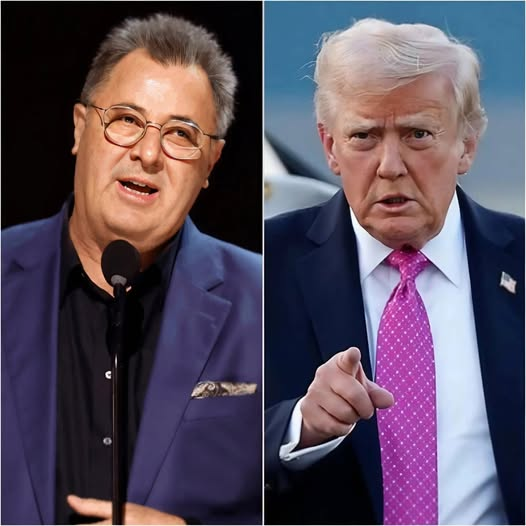
In every generation, Americans have debated what it truly means to love their country. For some, patriotism is expressed through military service and sacrifice. For others, it means protecting constitutional rights, speaking out against injustice, or participating in civic life. As political divisions continue to grow, one question is asked more often than ever: Who has the right to speak for America?
A Nation United by Different Experiences
The United States has always been shaped by people with different backgrounds, beliefs, and experiences. Veterans, teachers, healthcare workers, first responders, entrepreneurs, immigrants, and community volunteers all contribute to the country’s success in different ways.
Military service is often viewed as one of the highest forms of public service. Those who wear the nation’s uniform accept risks that few citizens ever face. Their commitment earns widespread respect across the political spectrum.
At the same time, millions of Americans serve their country in other meaningful ways. They educate children, protect public health, start businesses, volunteer in their communities, and participate in democratic institutions. Patriotism can take many forms.
The Connection Between Service and Leadership
Throughout American history, military veterans have played important roles in politics. Many presidents, governors, senators, and members of Congress previously served in the armed forces before entering public office.
Supporters often argue that military experience provides leadership skills, discipline, and firsthand knowledge of national security. These qualities can be valuable when making decisions that affect the country.
However, others believe that public office should remain open to citizens from every profession. Democracy is built on the principle that leadership should be determined by voters rather than by career background alone.
Patriotism Is More Than Agreement
One of the most important features of American democracy is the freedom to disagree.
Citizens regularly debate taxes, immigration, healthcare, education, national security, and economic policy. While these discussions can become heated, disagreement itself does not automatically make someone less patriotic.
Many historians point out that some of America’s greatest reforms came from people who challenged existing policies while expressing deep loyalty to the nation. Constructive criticism has often been part of the country’s democratic tradition.
The Impact of Political Polarization
Modern political debate is heavily influenced by television, online news, and social media. Information travels instantly, but so do misunderstandings and misinformation.
As a result, political conversations sometimes become personal instead of focusing on ideas. Labels replace discussion, and compromise becomes more difficult.
Analysts have noted that increasing polarization has changed the tone of political communication, making respectful dialogue more challenging than in previous decades.
Respecting Those Who Serve
Americans generally agree on one principle: those who serve the country deserve respect.
Whether someone has served in the military, law enforcement, emergency services, or local communities, public service reflects a willingness to contribute to something larger than oneself.
Recognizing that service does not require everyone to share the same political opinions. Citizens can honor sacrifice while continuing to debate public policy through democratic institutions.
Democracy Depends on Every Citizen
The U.S. Constitution does not limit political participation to any single profession or background. Every eligible citizen has the opportunity to vote, express opinions, run for office, and engage in public debate.
This broad participation is one of democracy’s greatest strengths. Diverse experiences often produce better discussions and more balanced decision-making.
Looking Ahead
As America continues to face economic challenges, international conflicts, and rapid social change, conversations about patriotism will likely remain part of national life.
Rather than asking who has the exclusive right to speak for America, many observers suggest asking a different question: How can Americans with different experiences work together to strengthen the country?
The answer may not come from one political party, one profession, or one generation. Instead, it may come from citizens who are willing to listen, debate respectfully, and remain committed to the democratic values that have shaped the nation for nearly 250 years.